
Hindu Festivals & Pilgrimage
Kanwar Yatra: Meaning, History & Spiritual Importance
Kanwar Yatra is a powerful expression of devotion, discipline, and surrender to Lord Shiva. This guide explains its meaning, historical roots, key rituals, and spiritual depth in simple language.
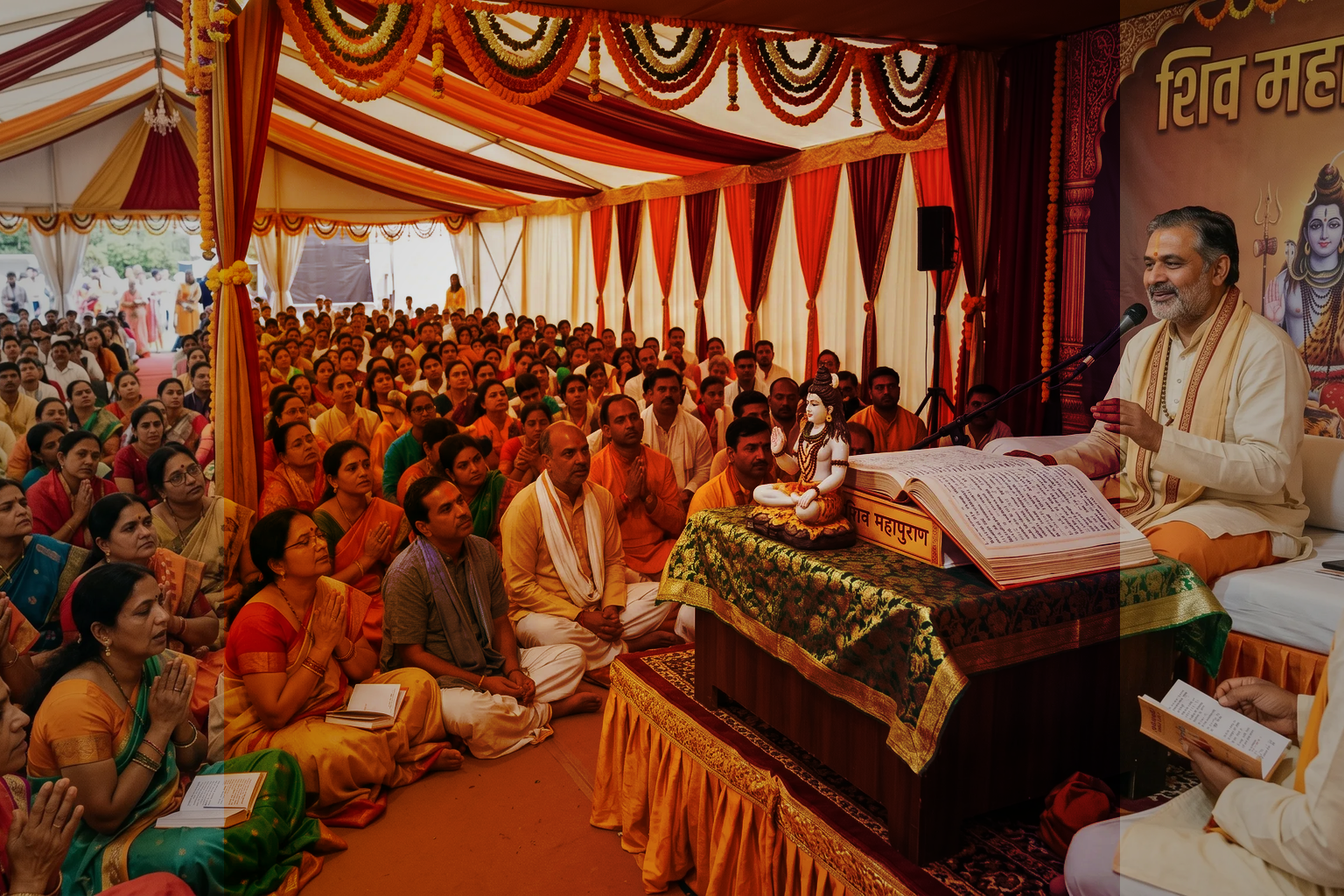
What is the Meaning of Kanwar Yatra?
Kanwar Yatra is a sacred pilgrimage in which devotees (Kanwariyas) collect holy water, usually from the Ganga, and offer it to a Shiva Lingam during the month of Shravan.
A ‘Kanwar’ is the bamboo or wooden yoke used to carry water pots on both sides. Spiritually, it represents balance, discipline, and devotion.
The inner message is simple: walk with humility, carry your faith, and offer your effort at the feet of Lord Shiva.
History and Mythological Background
Kanwar Yatra is linked with ancient Shaiva traditions. A common devotional connection comes from the Samudra Manthan narrative, where Shiva consumed poison to protect creation, and devotees respond with Jalabhishek as an act of gratitude and reverence.
Some regional traditions also connect sacred water offerings with stories related to Parashurama or Ravana. These interpretations vary by region, but the central spirit remains Shiva Bhakti.
Over time, the practice evolved from localized observance into one of the largest collective pilgrimages in North India.
Why Shravan Month is Central to This Yatra
Shravan is considered one of the holiest periods for Shiva worship. Mondays of Shravan, Rudrabhishek, mantra chanting, and water offerings are especially significant.
Many devotees align their Kanwar journey with Shravan Mondays and key tithis for deeper spiritual focus.
You can check auspicious dates and timings through the Daily Panchang.
Main Rituals and Disciplines
Most Kanwariyas travel on foot, follow sattvic discipline, maintain purity, and chant Shiva mantras throughout the journey.
Different forms of pilgrimage exist, such as standard Kanwar and Dak Kanwar, each with its own pace and strictness.
A commonly followed practice is to avoid placing the Kanwar directly on the ground and to preserve devotional conduct throughout the route.
Symbolic Meaning of Carrying the Kanwar
The two water pots can be seen as symbols of life’s dualities: joy and pain, gain and loss, effort and surrender. The devotee walks while balancing both.
The long physical journey gradually becomes a mental and spiritual discipline of patience and one-pointedness.
In this way, Kanwar Yatra is not only an outer pilgrimage but also an inner journey.
Spiritual Importance: From Devotion to Transformation
Kanwar Yatra combines mantra, tapas, seva, and surrender in one living practice. For many, it becomes a way to purify intention and strengthen willpower.
Offering water to Shiva represents releasing ego, fear, and emotional burden through conscious devotion.
That is why this yatra is often experienced as spiritual transformation, not just ritual participation.
How to Practice a Responsible Yatra
Prepare physically, stay hydrated, maintain hygiene, and prioritize safe movement throughout the route.
Avoid plastic waste and help keep roads and riverbanks clean as part of your seva.
Responsible conduct is as important as devotion in a pilgrimage of this scale.
An Astrological Perspective
From a Vedic perspective, Shiva worship is often associated with calming emotional turbulence and strengthening inner resilience.
Practices such as Mahamrityunjaya chanting, Rudrabhishek, and Jalabhishek are commonly chosen during intense mental or karmic phases.
For personal guidance, you can review your planetary placements with our Free Kundli and also read more on Kanwar Yatra.
Conclusion
Kanwar Yatra is a living tradition of devotion, austerity, discipline, and service. Its power lies not only in ritual, but in its ability to transform attitude and awareness.
When performed with humility, balance, and responsibility, it benefits both the individual and the wider community.
If you want to deepen your Shiva sadhana, you can also read our guide on Vedic Mantra Jaap for Graha Shanti.
Social and Cultural Significance
The yatra strengthens community spirit through volunteer camps, food distribution, hydration points, and medical support for pilgrims.
Bhajans, chanting, and collective participation keep local devotional culture alive across regions.
At the same time, discipline, public harmony, and mutual respect are essential to preserve its true spirit.